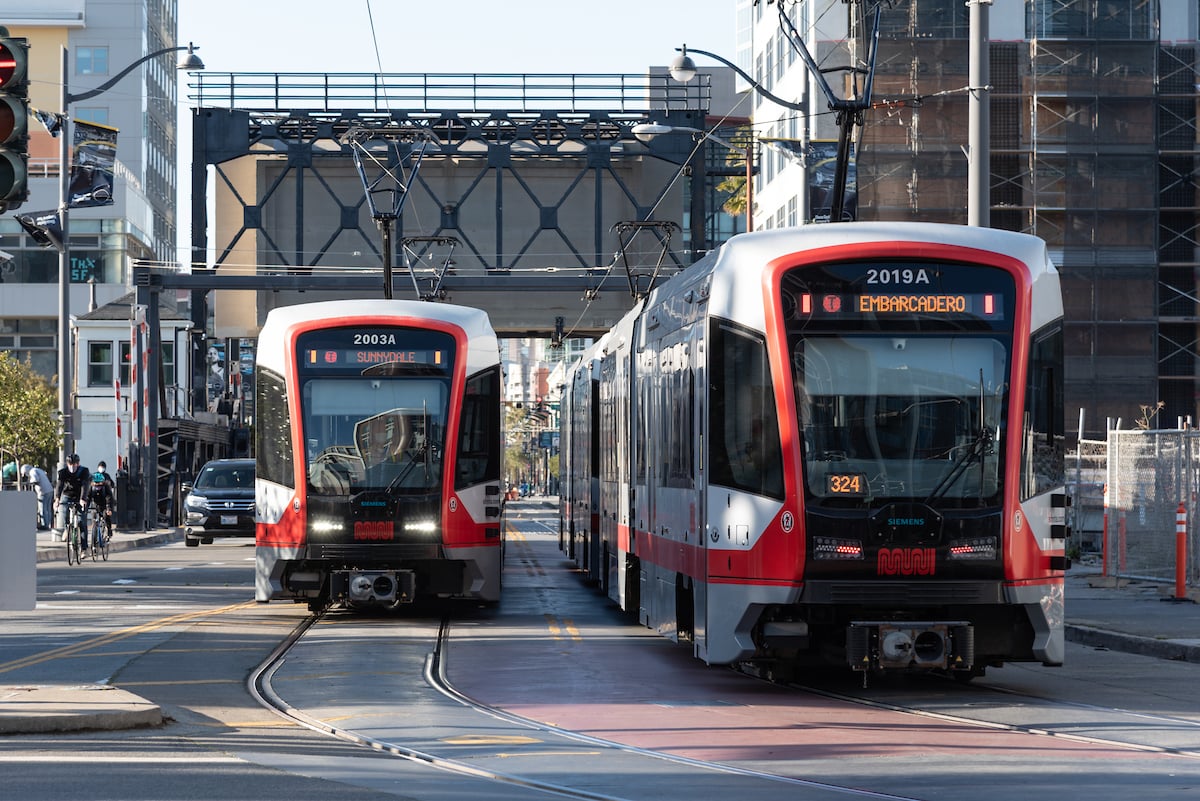
The Ultimate Guide to San Francisco Public Transit: Getting Around Without a Car
December 10, 2025
December 10, 2025
Moving to San Francisco? One of the best decisions you can make is to embrace the city’s extensive public transit system and leave the hassle of car ownership behind. With traffic congestion, limited parking, and expensive car insurance, many locals rely on buses, trains, bikes, and their own two feet to get around efficiently.
Here’s everything you need to know about San Francisco’s public transit options and how to navigate the city like a pro.
Muni: The City’s Local Lifeline
The San Francisco Municipal Railway, known simply as Muni, the backbone of local transit. It operates:
Cost & Convenience: Muni fares are affordable (single rides are around $3) and you can use a “Clipper Card” a reusable, contactless card accepted across most Bay Area transit for easy tap-and-go payments.
Tips:
BART: Regional Rail for Bay Area Commuters
The Bay Area Rapid Transit (BART) system is a high-speed regional train that connects San Francisco to the East Bay (Oakland, Berkeley), the northern suburbs, and the San Francisco International Airport (SFO).
Fares: BART fares are distance-based, typically ranging from $2.50 to $10 per ride. The Clipper Card also works on BART.
Tips:
Caltrain: The Peninsula Express
If you work or plan to live along the Peninsula or in Silicon Valley, Caltrain is your go-to commuter rail. It runs from San Francisco’s 4th & King Street station down to San Jose and Gilroy.
Tickets: Purchase single rides, day passes, or monthly passes. Clipper Card users can load Caltrain passes for easy boarding.
Tips:
Bike Share & Scooters: Zip Around Town
San Francisco has embraced e-bike share programs like Bay Wheels, and electric scooters have become wildly popular.
Safety Tips:
Walking: The Best Way to Experience SF
San Francisco is one of the most walkable cities in the country. Neighborhoods like Cole Valley, Noe Valley, Pacific Heights, Marina, and North Beach offer tree-lined streets, local shops, and charming architecture—all perfect for strolls.
Pro Tips for Mastering SF Transit
Final Thoughts
Owning a car in San Francisco isn’t necessary and often it’s more hassle than it’s worth. By mastering the public transit system and combining it with biking and walking, you can enjoy a greener, more economical, and stress-free lifestyle in this dynamic city.
Ready to Find a Home with Great Transit Access?
I specialize in helping clients find homes near the best transit lines to match their daily routines. Whether you want a single family home steps from a Muni stop or a sleek condo home near BART, let’s connect and find your perfect SF neighborhood.
Stay up to date on the latest real estate trends.


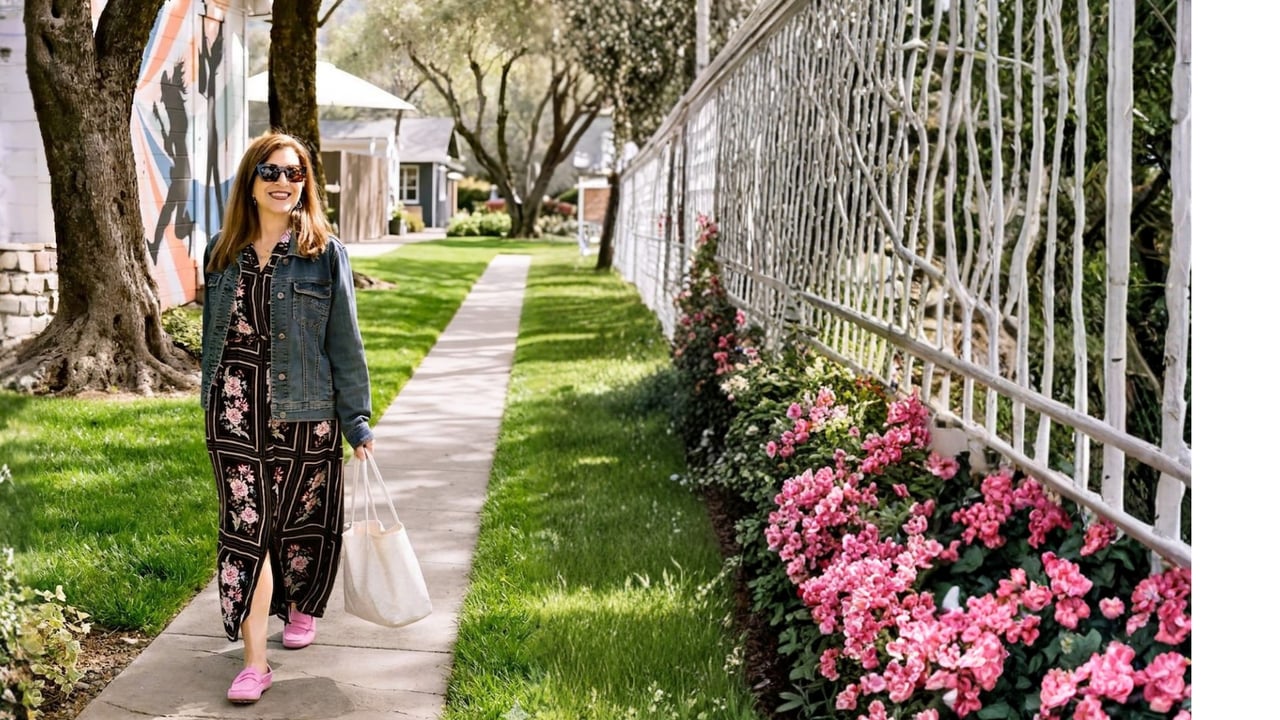


Explore how the Stern Grove Festival fosters community in San Francisco and why events like this are essential to the city’s lifestyle and identity.


Strategic Real Estate Advisor
Ilana is a top producing REALTOR® having reached the top 1.5% of REALTORS® nationwide. She is a distinguished San Francisco resident, boasting over twenty-four years of intimate connection with the city, rendering her an unparalleled authority in local real estate. An expert in marketing and negotiation, through hundreds of transactions, she has the depth of experience and breadth of knowledge to guide both buyers and sellers through the process.
Ilana distinguishes herself through her tenacity, mastery of negotiation, unwavering integrity, and meticulous attention to detail, consistently delivering outstanding results for her clients.
Whether buying your first home, selling your tenth home, or somewhere in between, Ilana's goal is to always go above and beyond to exceed your expectations! She wants to ensure such a great experience that you won’t want your friends, family, colleagues, or anyone you know to do a real estate transaction without her.